


Description
Buy half gold sovereign coins is an excellent way to diversify your precious metals holdings in smaller quantities.
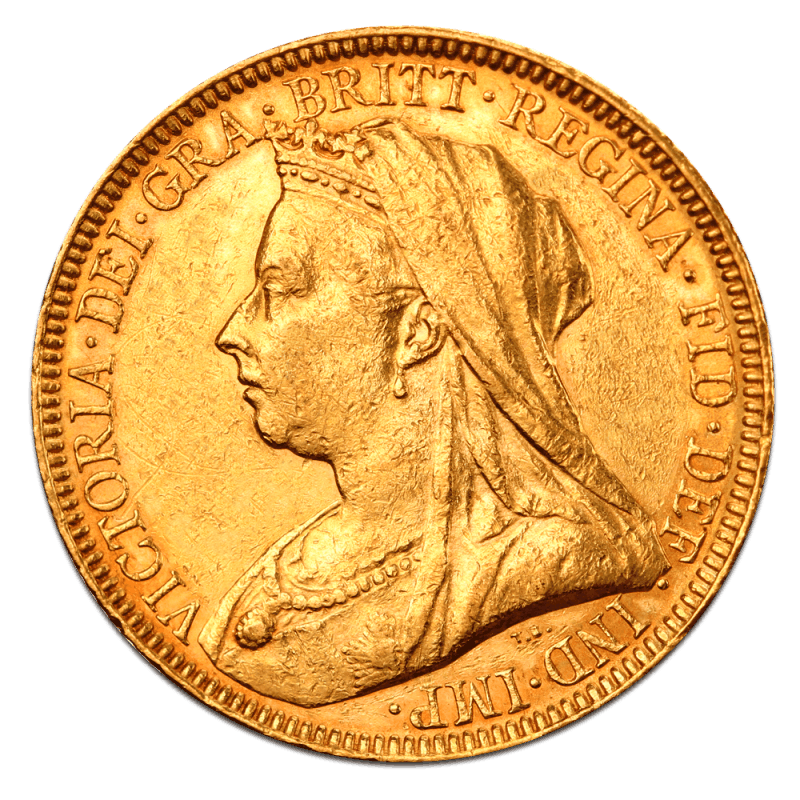
This package contains a selection of various portraits and dates based on our current stock availability.
Free of Capital Gain Tax (CGT) !
You might also like :
Design of the Half Gold Sovereign
Obverse
Depending on the year, the observe represents the profile of the Sovereign at the year the coin was issued. The monarch displayed in the obverse can be Victoria, Edward VII or George V.

Reverse
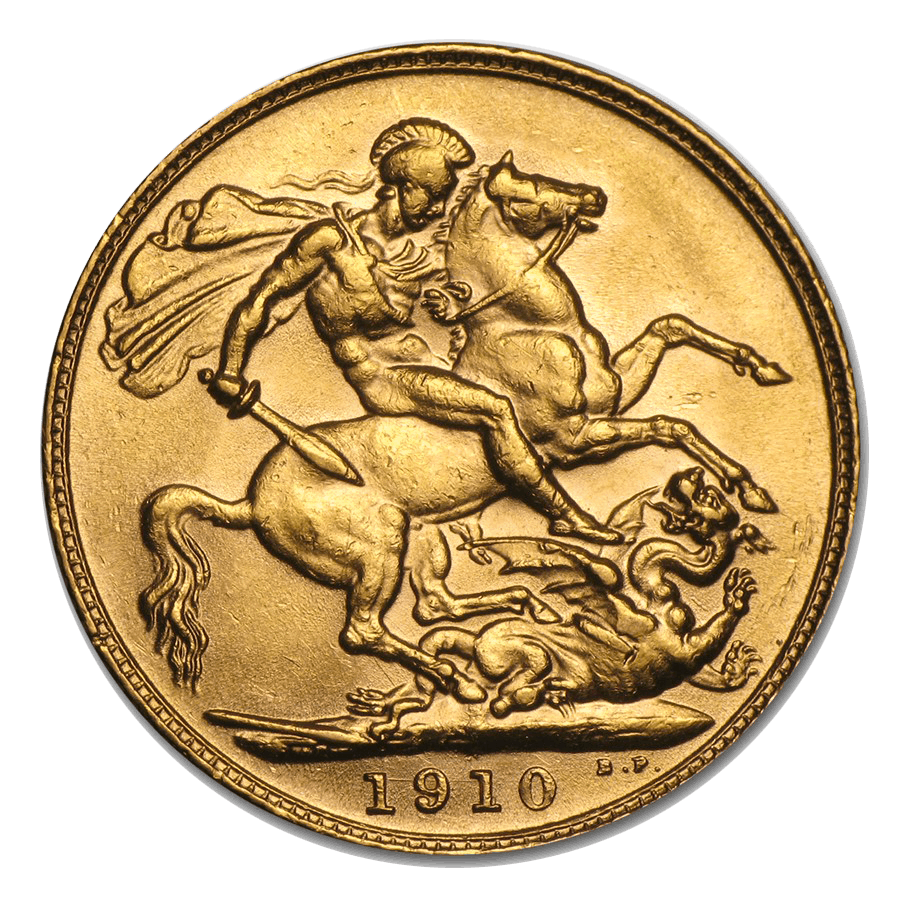
The reverse displays St Georges and a dragon. This traditional design was made by Benedetto Pistrucci.
Why buy Half Gold Sovereigns ?
Free of Capital Gain Tax
As a british investor, you will be exempt of Capital Gain Tax (CGT) if you buy half gold sovereign.
Smaller Budget
Half gold sovereigns are an excellent way to buy physical gold in smaller quantity. This gives you two benefits. Firstly, you can divide your precious metals holdings in smaller units and easily sell part of your investment.
Moreover, half gold sovereign have a relatively small size. This make them easy to trade and carry around.
Better Premium
For the most common dates, half gold sovereign coins in extremely fine to uncirculated condition are common. However, these coins are now much more rare and have become more costly overtime.
Because of their scarcity compared to regular gold sovereign, half sovereign carry a higher premium. Their value can change quickly, depending on investors and collectors demand.
More about Half Gold Sovereigns
The surface of this coin is more fragile than the traditional Full Gold Sovereign. But half sovereigns are also scarcer for another reason.
Half gold sovereigns served as british currency in United Kingdom, before the decimal era. They were mostly used for trading and circulated a lot. However, most of these british gold coins got damaged overtime, as they more fragile than full gold sovereigns.
The UK government destroyed more than 60 % of the half gold sovereign in the late 1960s. The reason was their weight falling under the legal authorised weight. As a result, most of these coins have been melted down.
History of the Half Gold Sovereign
The first half gold sovereign was introduced in 1544 (photo below), during the reign of King Henry VIII (1509 – 1547). This traces back 300 years before the modern coinage period. The half gold sovereign was introduced to replace the ryals. The ryals (also called rose noble) was valued at ten shillings and weighted 96 grains. During 1603 and 1604, the half sovereign was reintroduced by James I at the face value of ten shillings. No half sovereign were produced during the reign of Philip and Mary.

Issued from George III to George V, half gold sovereign have been minted in smaller quantities compared to full gold sovereign. This is because their manufacturing cost was more expensive. Despite the large number of half gold sovereign mintage, most of these coins have been withdrawn from circulation as this coinage to be melted.
Half gold sovereign were mostly used for domestic rather than international trades in nineteenth century. A lot of half sovereign were used in jewellery, which make them even more scarcer to find today.
In general, Great Britain minted half gold sovereign in smaller quantities. The full series of half gold sovereign contains many rare dates and varieties, from Queen Victoria to Geroge V. This brings a lot of interest and fascination to this british gold coin.
Why buy gold sovereigns ?
Gold Sovereigns are the Royal Mint’s flagship product with the Gold Britannia, combining traditional manufacturing with symbols of Great Britain’s history.
- They contain 7.99 grams of 22 carats gold. This gold-copper alloy coupled with their small size make them more resistant, durable and ideal for trading.
- They have a highly liquid value. You can easily sell these bullion coins to any jeweller or bullion dealer around the world.
- They generally carry a small premium over the gold spot price. This is due because of their high demand from both gold investors and collectors.
- They offer the best of bullion and numismatics in one investment :
- Intrinsic value of their precious metal content.
- Additional profit potential due to their aesthetic and historical appeal